The Absa Cape Epic presents a big physical challenge for all the participants, whether they are racing for jerseys and podiums, just making sure they get to the finish line unscathed every day, or chasing the cut-offs and trying to keep themselves in the race. A medical questionnaire, which requires input from a doctor is part of the entry requirements for each participant, and that information is just a few keyboard clicks away if a medic ever needs it. For most of the participants it is hopefully just a safety precaution, but the medical support provided at the Absa Cape Epic is another aspect of that full-service attitude that has made the event world-class.
The Mediclinic team at the 10th Absa Cape Epic was a healthy mix of experience and clinical competence, with more than 60 Epics' worth of experience between them. The Mediclinic team conducted 2174 consultations over the 8 days, with 34 riders requiring further investigation and hospital referral for additional treatment. They saw 14 fractures and dislocations and 6 serious soft tissue injuries (e.g. acute rotator cuff tear), while the balance comprised conditions ranging from severe bee sting anaphylaxis, heat exhaustion and muscle breakdown with dehydration, head injuries and cardiac arrhythmias to surgical abscesses requiring incision and drainage (very bad saddle sores).
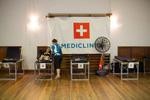
The Mediclinic Race Hospital
The high temperatures on the first few days and the harsh conditions resulted in many riders sustaining clinical problems requiring careful clinical review and management, with blood test determination of electrolytes in order to get them back in the saddle again. A large number struggled with food and fluid homeostasis for a number of reasons ranging from severe reflux, nausea and cramps to enteric conditions with associated vomiting and diarrhoea. By Stage 3 the Mediclinic team had used more rehydration therapy than for the entire 2012 race! - A clear indication of the impact of high temperatures and heavy going terrain.
The wound clinic was exceptionally busy with the usual legendary saddle sores (averaged at 80 per day), but the added component this year was from the large number of heel blisters and wounds. Nearly 50 lacerations were surgically closed in the Mediclinic Race Hospital.
Under the Mediclinic banner, Emergency Medicine specialist, Dr Basil Bonner heads up a team that consists of seven medical doctors, seven registered nurses, 20 medics, 34 medical marshals and three dedicated logistics people. A fully equipped 20-bed field-hospital with an electronic patient management system is set up in each race village. “We are equipped to do everything that an emergency room in a hospital can handle, and we even have two high-care beds where we can do full resuscitations” explains clinical logistics co-ordinator, Caroline Murray, while nodding in the direction of the Pathcare laboratory and the portable autoclave. “The only facility we don’t have is X-ray.”
An emergency contact number and is available 24 hours a day and there is an evacuation service for emergencies beyond the scope of the race hospital. Medical assistance is available at the refreshment stops and 4x4 ambulances manned by a doctor and registered nurse are positioned at strategic points along the route.
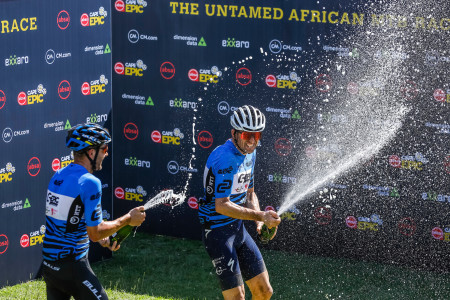
Karl Platt and Christoph Sauser win NTT Masters category in fine style